
July 9 · St. Pancratius of Taormina
Saint Pancratius
Today's saint saw the Lord Jesus with his own eyes. Pancratius was born far away in Antioch while Christ still walked the earth, and when word of the Teacher from Galilee reached his city, his father could not rest until he had gone to see for himself. So he gathered up his young son and made the long journey down to Jerusalem. There the boy stood at the edge of the crowds and watched the wonders happen right in front of him — the blind given back their sight, the lame rising to their feet, the sorrowing suddenly comforted — and he listened to the Lord teach as no one in all the world had ever spoken before.
Among the men who followed the Teacher was a plain-spoken fisherman named Peter, and something in that friendship took root in the boy and would not let go. When at last it was time to go home, Pancratius carried a secret back to Antioch inside his chest, warm as a live coal — he had seen, with his own two eyes, the very One that the whole waiting world had been longing for.
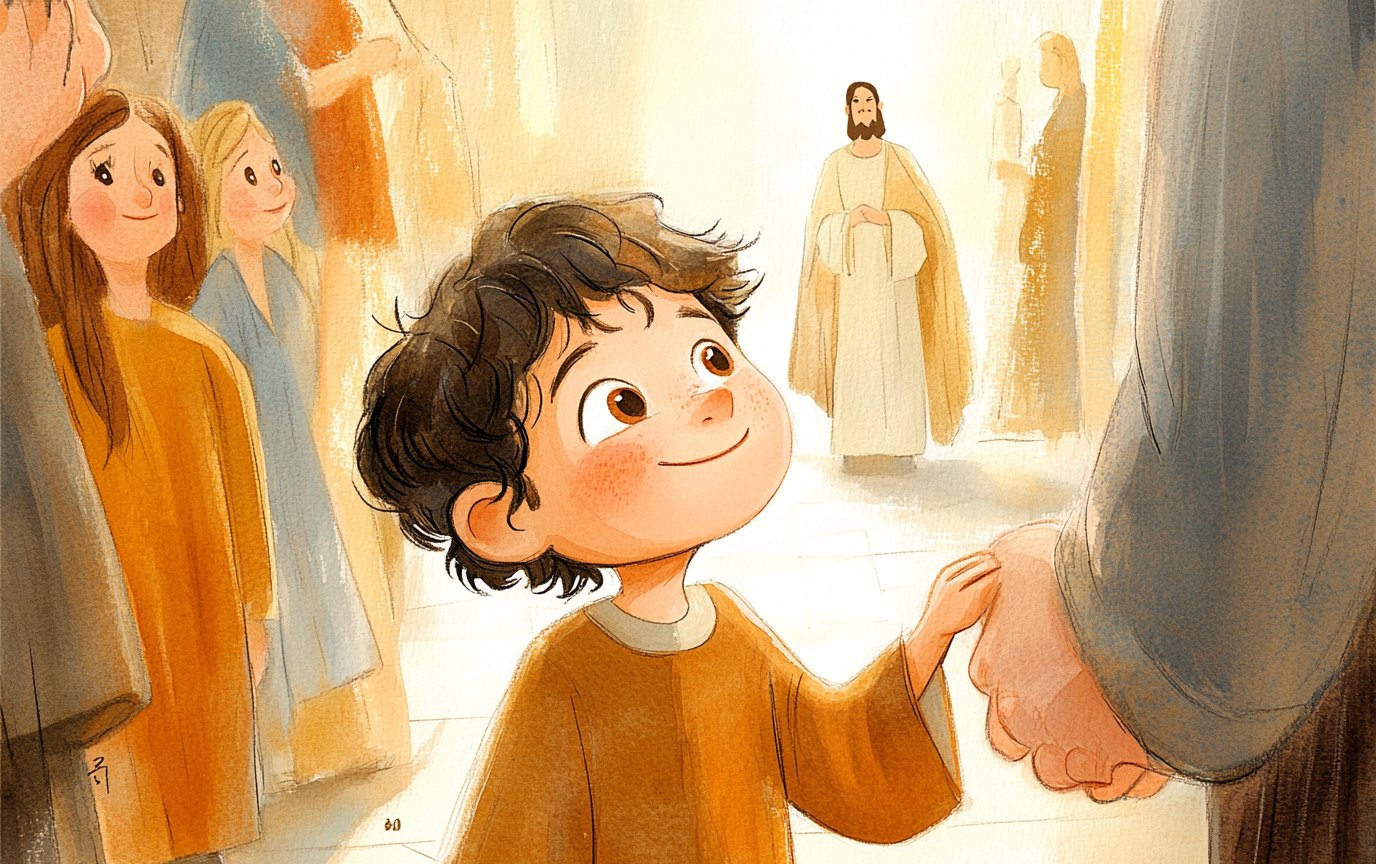
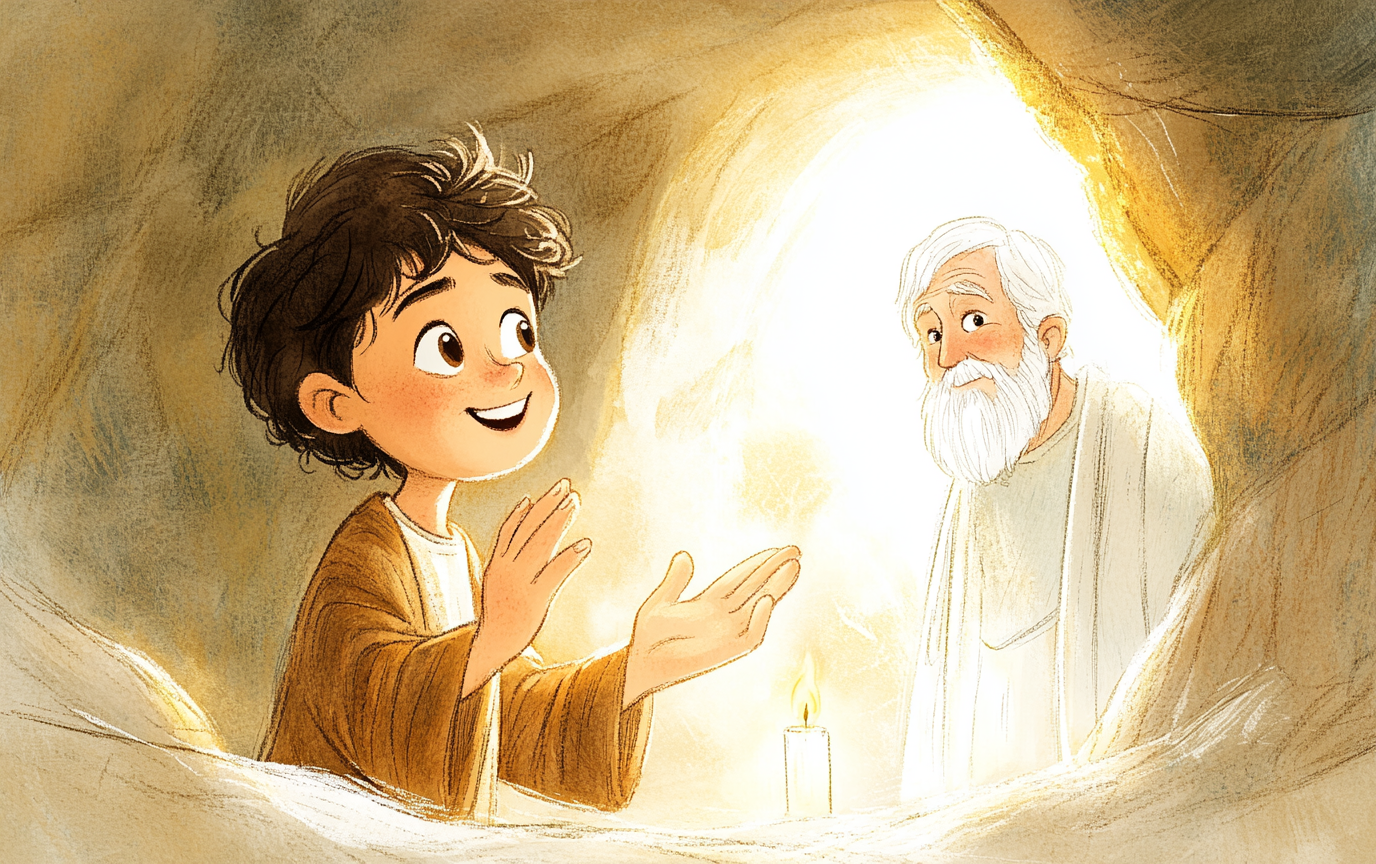
After the Lord had risen and ascended into heaven, His Apostles went out into all the world, and one of them came to Antioch and baptized Pancratius together with his whole household. The boy grew into a young man. But when his mother and father died, he did a startling thing. He gave away everything they had left him — the house, the land, every last coin of the inheritance — and went off alone to the wild region of Pontus. There, far from every road, he found a cave in the hillside, and there he stayed, giving his days and his nights to prayer. He wanted nothing the world could offer him. He might well have stayed hidden in that quiet dark for the rest of his life.
But God does not light a lamp in order to hide it under a basket. One day the Apostle Peter himself, traveling through those lonely lands, came upon the cave and found his old young friend still inside it, worn thin with prayer. “Come out,” he said. “There is work for you to do.” And Pancratius, who had spent all those silent years learning to say yes to God, rose up and followed him without a single backward glance.
Peter brought him first back to Antioch, and then down to the sea, for there was an island far to the west that had never once heard the name of Christ. Pancratius boarded the ship of two seafaring men, Lykianidus and Romulus, and sailed across the wide green water to Sicily — to a proud and beautiful city called Taormina that lived in the long shadow of a smoking mountain. There the two great Apostles, Peter and Paul, laid their hands upon his head and made him the city's first bishop. And then they left him, one man standing alone, to win a whole pagan city for God.
He did not waste a single day. He preached in the streets and the crowded marketplaces; he prayed over the sick and they rose up well; he walked straight up to the temples of the old gods, and one by one the great stone idols that had frightened the people for generations were toppled and broken and carried away. In a single month — just thirty days — he and his new converts raised up a church, and he stood inside it to serve the divine services. A few came at first, and then more, and then more still, until almost the whole of Taormina and the towns scattered around it had turned from their dead idols to the living God.
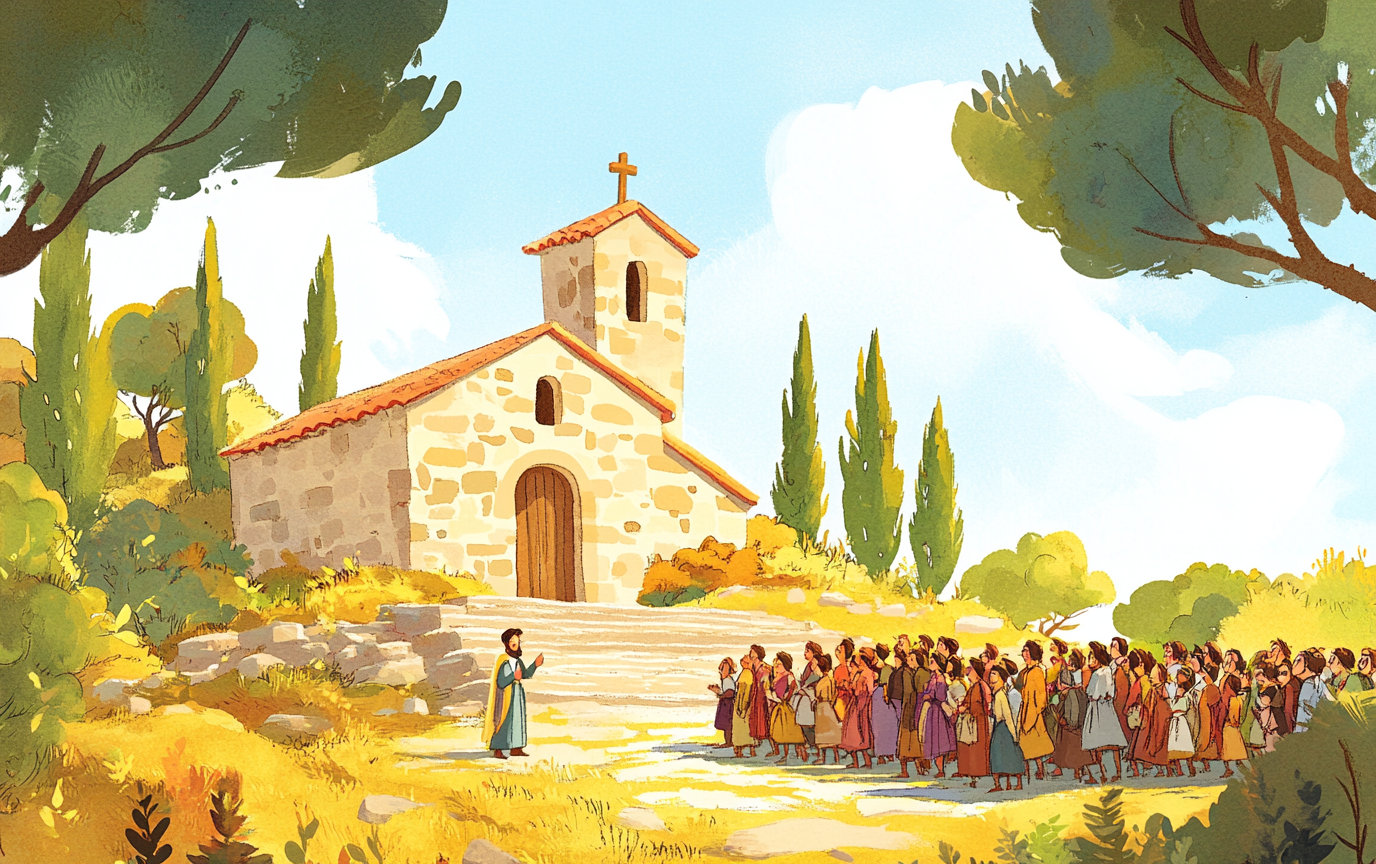
Not everyone welcomed the change. A heathen commander named Aquilinus heard that the city had thrown down its gods, and he gathered an army and marched to burn it back into submission. The people were terrified. But their bishop walked out alone to meet that army with nothing in his hands but the Cross of Christ lifted high above his head. And as he raised it, a strange darkness came down over the field like a sudden falling night; in that darkness the soldiers lost all sense of one another, and the great army broke apart and scattered without ever once touching the city. Taormina was saved, and every soul in it knew Whose hand had saved them.
For many long years after that, Pancratius shepherded his people the way a good father tends his own household. He settled their quarrels and sat with them in their sorrows; he baptized their babies and buried their dead and fed them the Bread of Life. Where the cold altars of forgotten gods had once stood, he raised up crosses instead, and the old fear melted out of the city like frost in the morning sun. The wide-eyed boy who had watched the Lord heal strangers in a Jerusalem street had grown into a man through whom that very same mercy still quietly flowed.
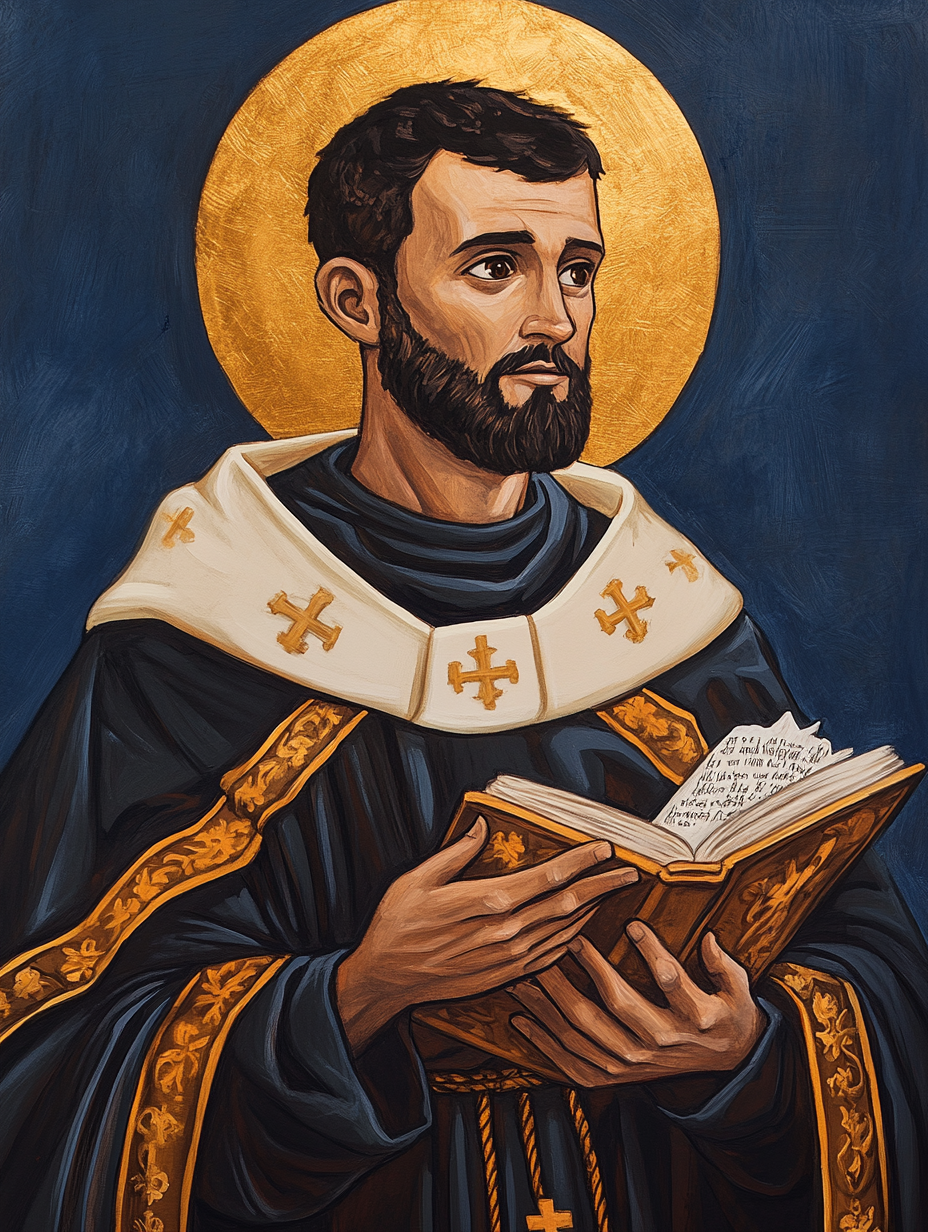
But there were still a few who hated him for all that he had undone, and they never stopped watching for their chance. At last a band of them, stirred up by a man named Artagatus, caught the old bishop alone — and there they took up stones and struck him down, and Pancratius gave up his soul to God. He had given the Lord his very beginning, a small boy wide-eyed in a Jerusalem crowd; and now, an old man far across the sea, he gave Him his ending too. His faithful gathered up his holy relics, which rest even now in a church in Rome that still carries his name — and today, so many hundreds of years later and so far from that smoking mountain, we say his name once more, together.
you became a successor to their throne;
inspired by God, you found your way to contemplation
through the practice of virtue.
Rightly dividing the word of truth,
you contested for the faith even unto blood.
Hieromartyr Pancratius, entreat Christ God
that our souls may be saved.
- Make a little “cave” — a blanket over a table or two chairs. (No blanket handy? Just close your eyes at the table.)
- One child curls up inside and stays very still, whispering a quiet “thank you” to God while everyone counts slowly to ten.
- A grown-up plays the Apostle Peter: knock and call, “Come out — God has work for you to do!”
- The child comes out and does one small, real good work right away: clear a plate, help a little brother, say something kind.
- Take turns until everyone has had a quiet moment and a good work.

